
Core Concepts and Boundaries
Wallet & Assets is best understood through the specific problem of from wallet creation to transaction review. A wallet does not physically store blockchain assets. It manages addresses, keys and signing authority, while balances and transaction history are recorded by the relevant network. Keeping that distinction clear makes everyday wallet behavior easier to verify.
For this topic, the useful habit is to separate what the interface displays from what the network can independently confirm. Before acting, identify the network and the exact account, contract or address involved. During the action, read the amount, fee, permission scope or signature text. After submission, verify the resulting transaction or account state instead of assuming that a visual success message is final.
A second check is to ask what authority this step grants and whether that authority is necessary for the intended task. This is especially important when from wallet creation to transaction review involves a DApp, token contract, bridge, validator or third-party service. The goal is not to make every operation look risky; it is to make the boundaries of each operation explicit enough to review.
Checks Before You Begin
Wallet & Assets is best understood through the specific problem of from wallet creation to transaction review. The practical rule for transfers is to keep the address, network and asset type aligned. Similar-looking address formats can exist across multiple networks, so users should confirm the destination network before checking the address and amount.
For this topic, the useful habit is to separate what the interface displays from what the network can independently confirm. Before acting, identify the network and the exact account, contract or address involved. During the action, read the amount, fee, permission scope or signature text. After submission, verify the resulting transaction or account state instead of assuming that a visual success message is final.
A second check is to ask what authority this step grants and whether that authority is necessary for the intended task. This is especially important when from wallet creation to transaction review involves a DApp, token contract, bridge, validator or third-party service. The goal is not to make every operation look risky; it is to make the boundaries of each operation explicit enough to review.
A Practical Operation Flow
Wallet & Assets is best understood through the specific problem of from wallet creation to transaction review. After a transaction is submitted, the transaction hash is the most useful reference for checking on-chain progress. A pending interface message is not the same as network confirmation, and repeating a transfer while waiting can create unnecessary duplicate activity.
For this topic, the useful habit is to separate what the interface displays from what the network can independently confirm. Before acting, identify the network and the exact account, contract or address involved. During the action, read the amount, fee, permission scope or signature text. After submission, verify the resulting transaction or account state instead of assuming that a visual success message is final.
A second check is to ask what authority this step grants and whether that authority is necessary for the intended task. This is especially important when from wallet creation to transaction review involves a DApp, token contract, bridge, validator or third-party service. The goal is not to make every operation look risky; it is to make the boundaries of each operation explicit enough to review.
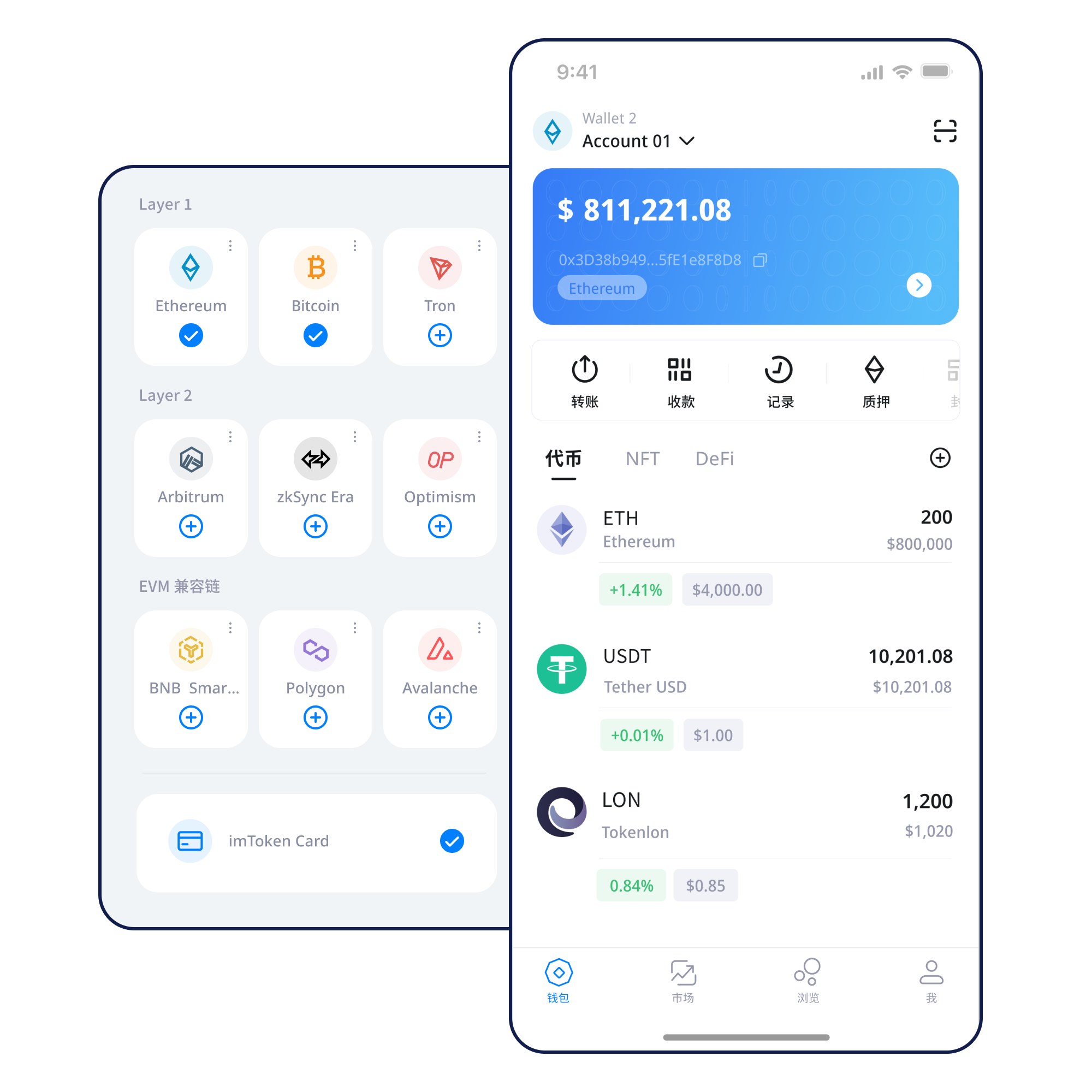
Wallet & Assets checklist
- Confirm that the active network matches the intended destination.
- Verify important addresses and contract identifiers carefully.
- Review the amount, gas, allowance or signature scope.
- Keep the transaction hash and wait for network confirmation.
- Review old connections and approvals that are no longer needed.
How to Verify the Result
Wallet & Assets is best understood through the specific problem of from wallet creation to transaction review. A wallet does not physically store blockchain assets. It manages addresses, keys and signing authority, while balances and transaction history are recorded by the relevant network. Keeping that distinction clear makes everyday wallet behavior easier to verify.
For this topic, the useful habit is to separate what the interface displays from what the network can independently confirm. Before acting, identify the network and the exact account, contract or address involved. During the action, read the amount, fee, permission scope or signature text. After submission, verify the resulting transaction or account state instead of assuming that a visual success message is final.
A second check is to ask what authority this step grants and whether that authority is necessary for the intended task. This is especially important when from wallet creation to transaction review involves a DApp, token contract, bridge, validator or third-party service. The goal is not to make every operation look risky; it is to make the boundaries of each operation explicit enough to review.